Painting guides you can watch.
Short walkthroughs of the painting prep and touch-up jobs most San Diego homeowners can handle themselves. Each guide comes with step-by-step instructions and a clear line on when it\'s worth calling a pro instead.
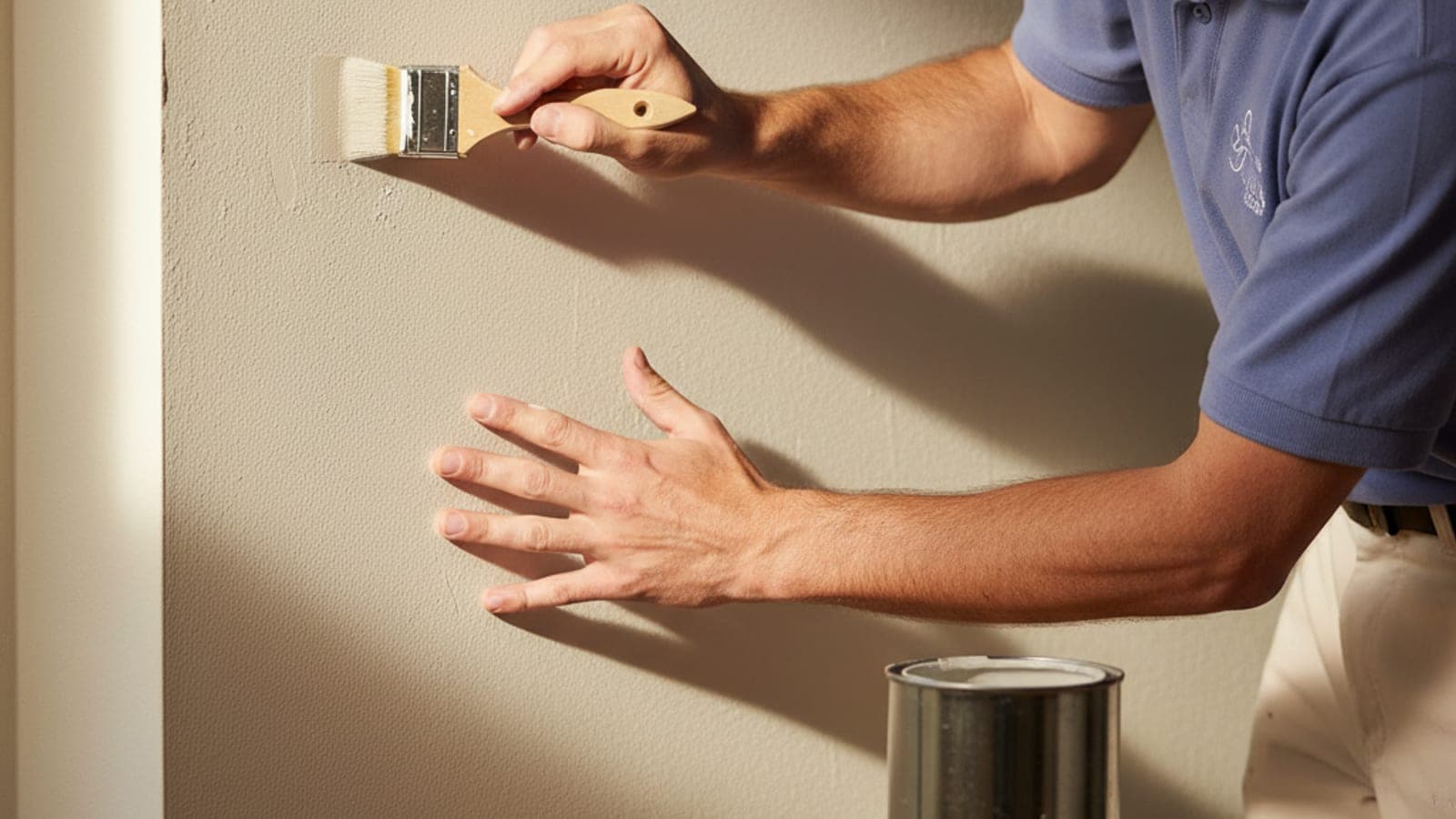
What painting work can you do yourself?
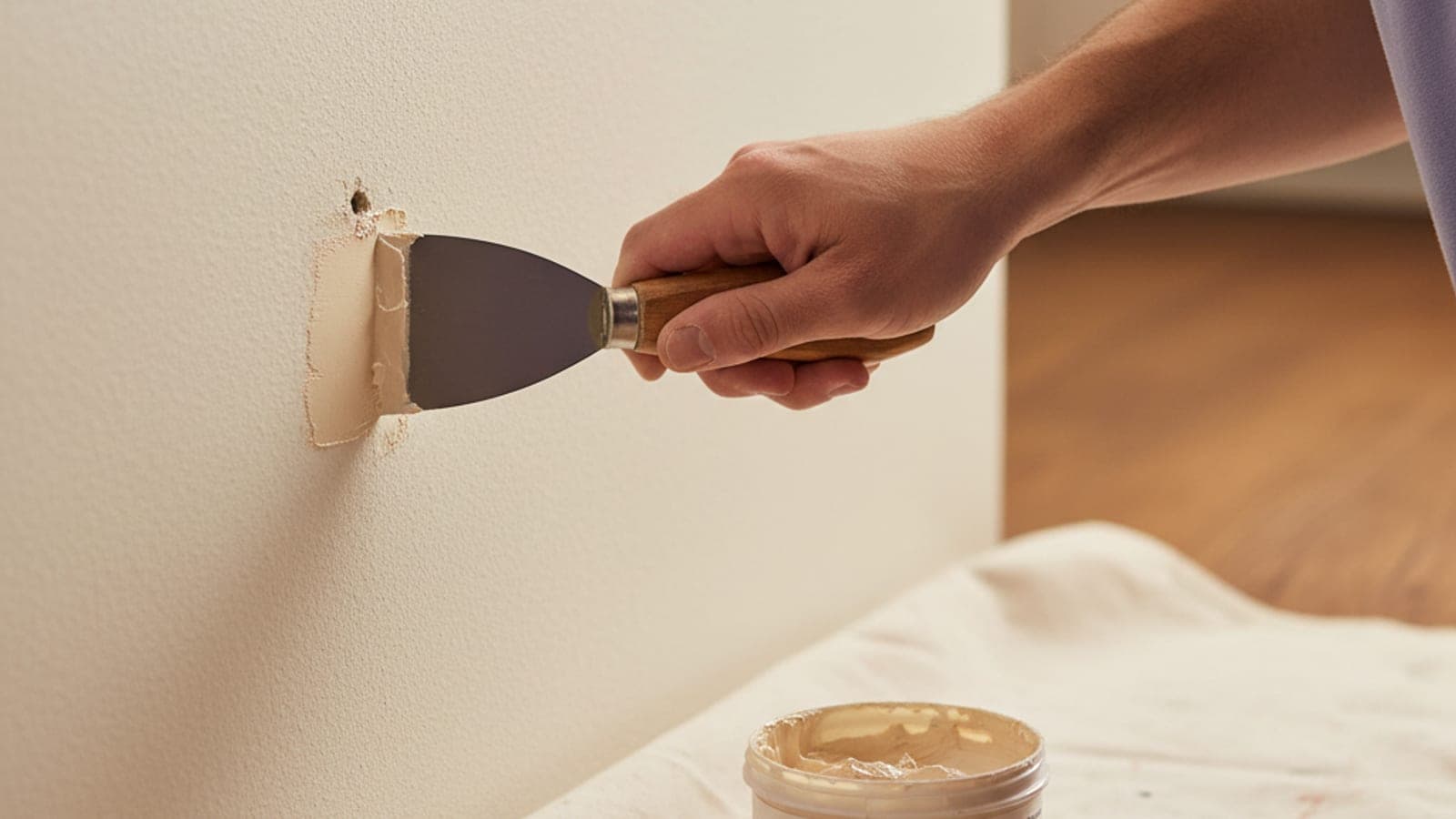
Patch nail holes before paint
To make a nail hole disappear, press lightweight spackle slightly overfull with a small putty knife. Scrape it flush in one clean pass, then let it dry for the time stated on the container. Sand the patch flush and spot-prime it before applying paint.
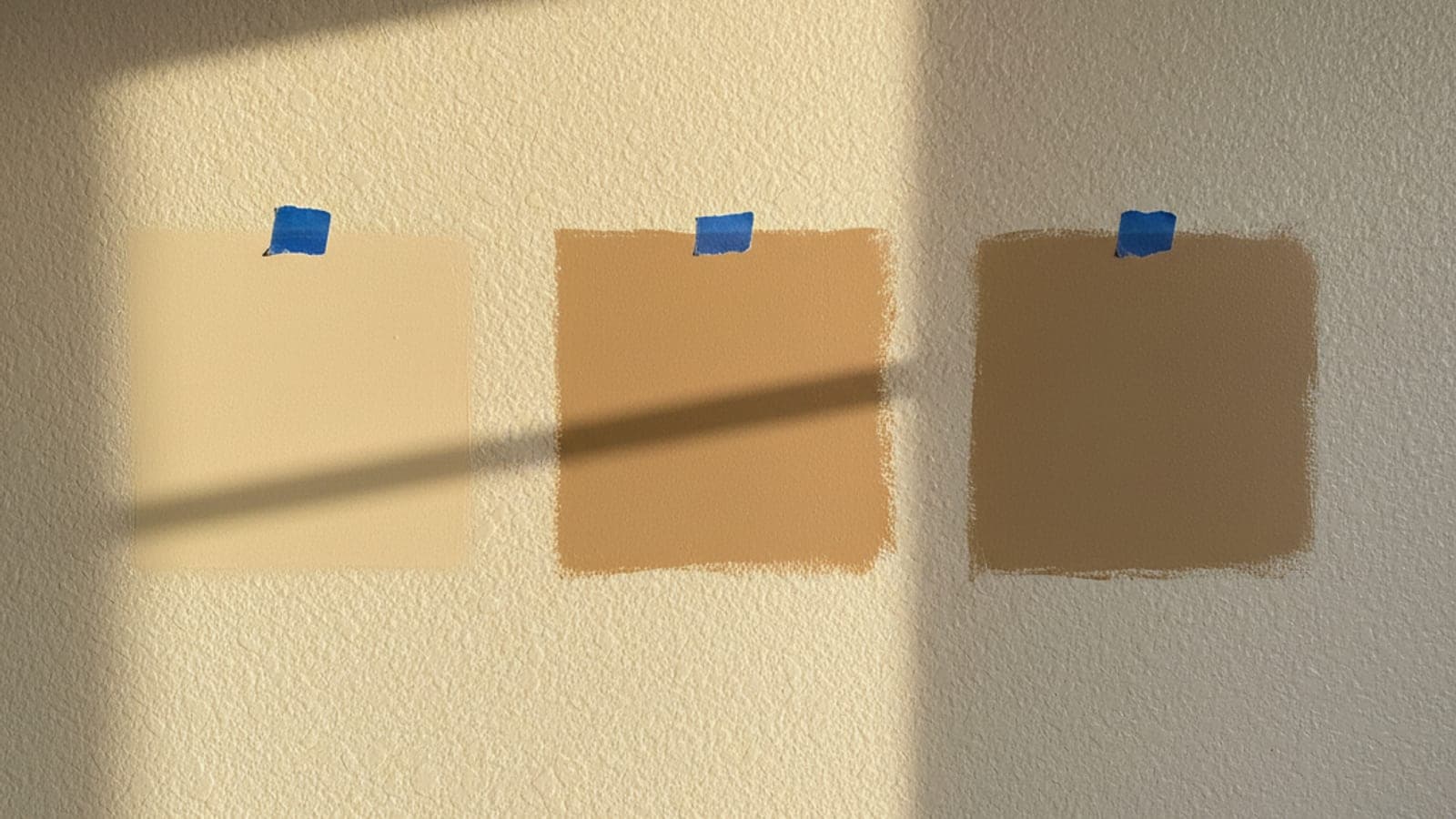
Test paint colors before committing
Test paint colors with large-format samples, 12 by 12 inches or bigger, placed on the actual wall. Use sample quarts for two or three candidates, or apply peel-and-stick samples. Check them at 7am, noon, 5pm, and after dark. Repeat on differently facing walls, then live with the samples for a few days before deciding.
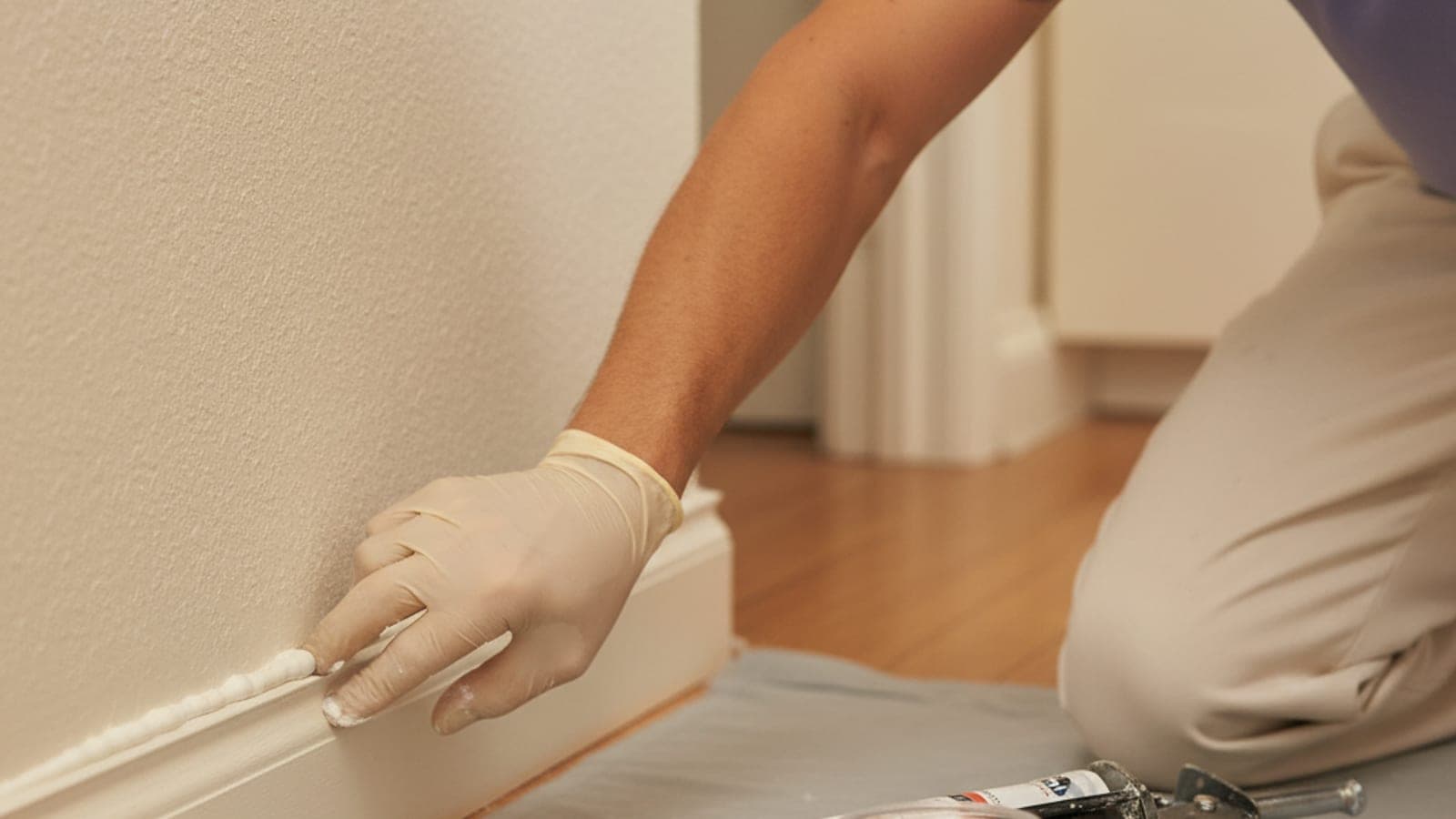
Refresh caulk at baseboards and trim
To refresh caulk at a baseboard or trim line, cut the old bead out, clean the joint dry, run one continuous bead of paintable acrylic caulk, and tool it smooth before it skins. Cracked caulk lines make a whole room look neglected, and this is the short version of the fix.
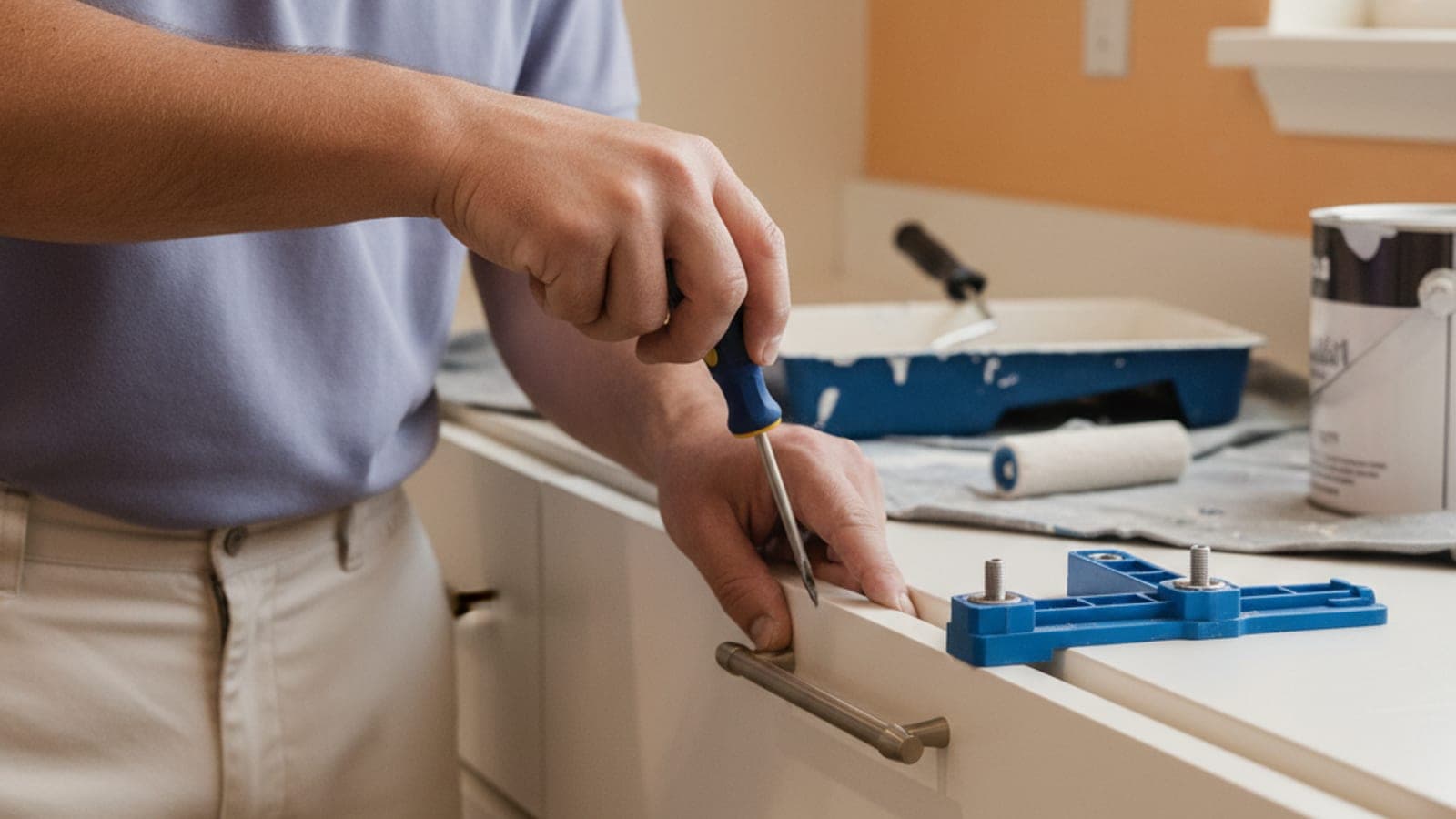
Swap cabinet hardware without damage
New pulls and knobs update a kitchen for very little. The trick is matching the hole spacing.
When should you stop and call a professional?
Six signs the prep work is past DIY. Painting over these issues wastes the paint and the time, the underlying problem keeps coming back. Pros handle the diagnosis and the fix.
- Paint is bubbling or peeling in sheets
Moisture is getting behind the paint, from a leak, condensation, or improper prep on the previous job. Patching only covers it; the underlying issue has to be found and fixed first.
- Hairline cracks spreading across stucco walls
Active movement in the wall. Patching each crack individually without addressing the cause (foundation settling, unsealed flashings, water intrusion) leads to repeated cracking. Needs a proper diagnosis before painting.
- White powder (efflorescence) on stucco or masonry
Mineral salts migrating to the surface from moisture in the wall. Painting over it just traps more inside, the coating fails, and the efflorescence returns darker. Needs neutralizing and drying before any paint.
- Yellowish stains bleeding through fresh paint
Water, nicotine, tannin from wood, or old oil-based paint bleeding through. Standard latex primer won't block it, needs a shellac-based primer like BIN, or an oil-based stain blocker.
- Popcorn ceiling that may contain asbestos
Building age cannot confirm asbestos. Before scraping suspect texture, have a trained and accredited asbestos professional assess sampling needs. DIY disturbance of asbestos-containing material can release fibers and may violate applicable rules.
- Old oil-based trim paint peeling from new latex paint
Someone painted latex directly over oil-based without a bonding primer. The fix is scraping the loose paint, sanding, priming with an adhesion primer, then repainting. Not a spot fix.
What painting references are worth bookmarking?
EPA RRP Rule, Lead-Safe Painting
What contractors must do when painting or renovating homes built before 1978.
Benjamin MooreBenjamin Moore Color of the Year & Palettes
Current color trends, curated palettes, and the BM color library.
Sherwin-WilliamsSherwin-Williams Color Finder
Searchable color library, visualizer, and designer palettes.
CSLBCSLB License Check
Verify your contractor's California State License Board status before hiring.
Want a ballpark before you call?
Our painting cost calculator is a planning tool for interior, exterior, cabinet, and commercial painting in San Diego. It is not a quote. The independent painter you hire prices the actual job.
Want it done right without the DIY weekend?
One call and we match you with a San Diego County painter. You hire and pay the painter directly.