Interior painting in San Diego. Prep first, two coats, written quote.
Interior painting in San Diego is a prep job first. Fill nail holes, sand glossy trim, caulk seams, mask every edge, and lay drop cloths before the first gallon opens. Ceilings get a flat ceiling paint, walls get two coats of low-VOC latex from Sherwin-Williams or Benjamin Moore, and the quote comes after the walkthrough rather than over the phone. Ask for the scope and price in writing.
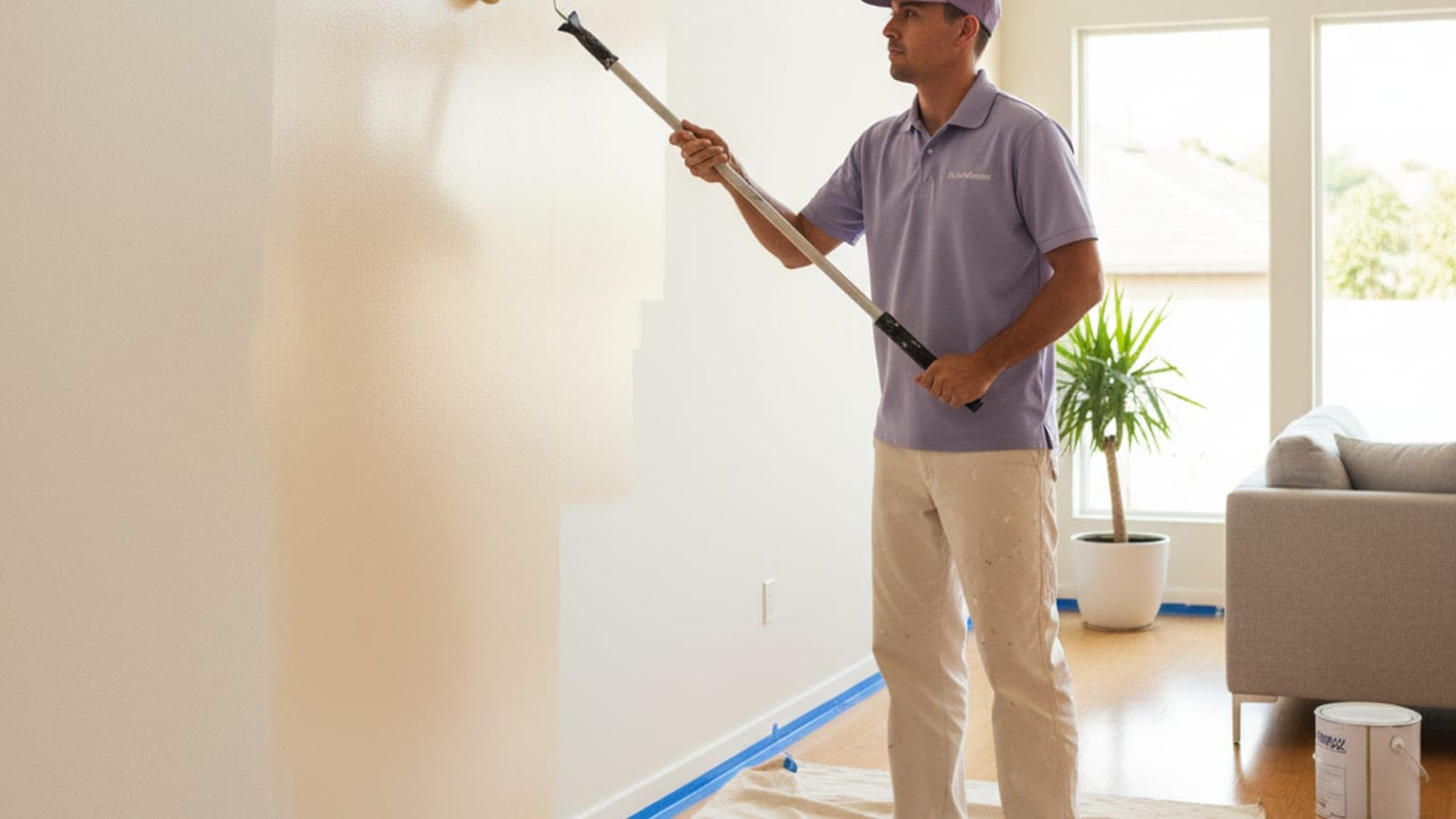
What's included in interior painting in San Diego?
- Full-room repaints: walls, ceilings, trim, doors, and baseboards
- Nail-hole fill, seam caulk, spot drywall patch, and light texture touch-up
- TSP or degreaser wipe on kitchen and bath walls before priming
- Sand, prime, and re-coat glossy or stained surfaces (old oil-based paint)
- Two full coats of premium latex with a pole-rolled even finish
- Accent walls, color blocks, and crisp tape lines on adjoining colors
- Cabinet and closet interiors if requested in the scope
- Daily tidy-down: drop cloths folded, trash out, floors vacuumed
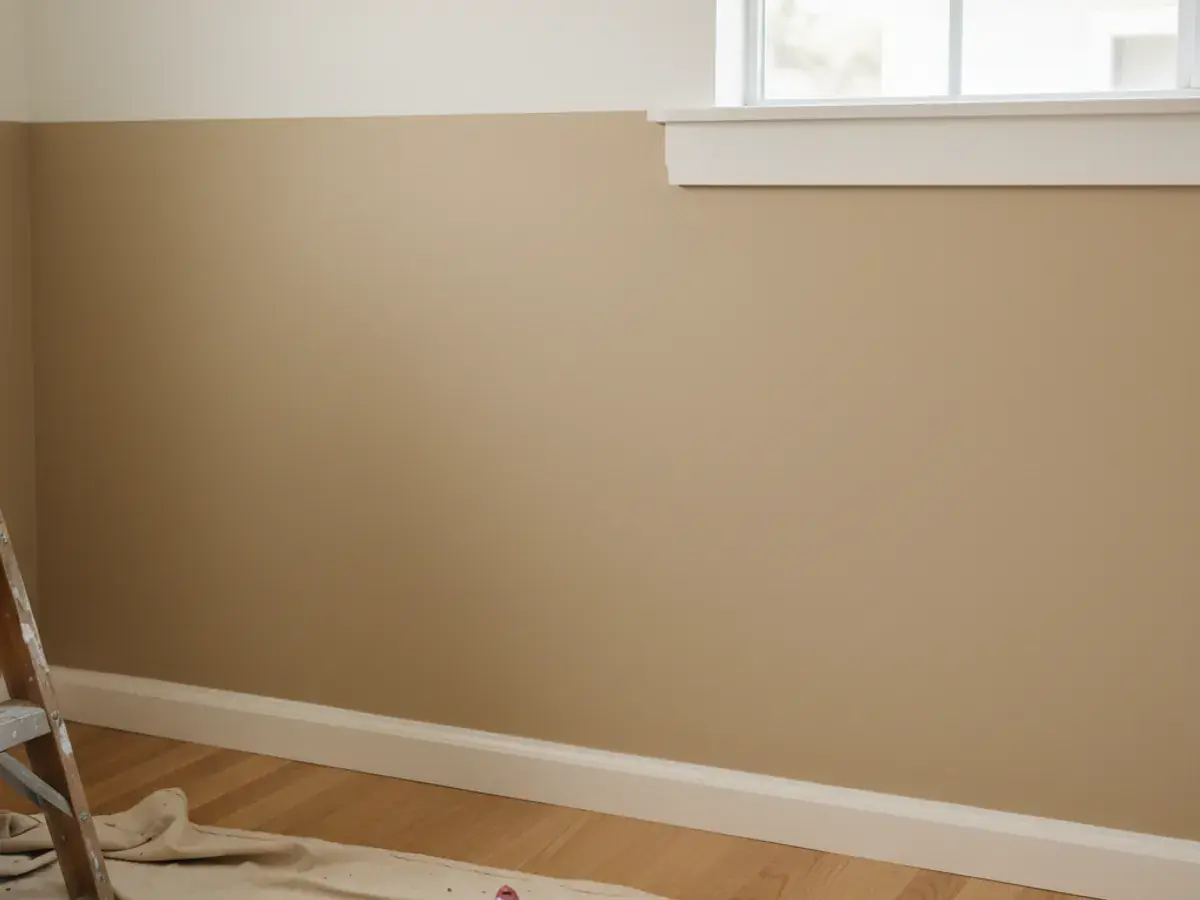
When do you need interior painting in San Diego?
- Walls are scuffed, dingy, or still the builder-grade beige
- Selling the home and need it show-ready in 2 weeks
- Just moved in and want the whole interior in your palette before the furniture lands
- Trim is yellowed oil-based paint from the 90s
- A room still smells musty after a leak and needs a stain-blocking primer before repaint
- You picked a color online and now it doesn't look right on the wall
Painting contractor in San Diego
A painting contractor in San Diego walks the rooms, measures wall area, counts doors and windows, then hands you a written scope with a fixed price. Ask what prep is included. Patching, caulking, sanding, and masking are usually more hours than the painting itself, and they are the first thing a cheap bid leaves out.
Interior house painters near you in San Diego
An interior repaint in San Diego is usually run room by room so you keep the rest of the house usable. Furniture gets moved and covered, floors get papered, edges get cut by hand, and walls take two finish coats of low-VOC paint. Ask for trim and ceilings as their own line in the written scope, so you can take them or leave them.
What do homeowners ask about interior painting?
How much does interior painting cost in San Diego?
Wall area sets the base, then ceiling height, trim and door count, and how much patching, caulking, and sanding the walls need first. A color change from dark to light adds a coat. Ask for an on-site walkthrough and a written estimate with line-item scope.
What paint should I ask for?
Sherwin-Williams Emerald, SuperPaint, or ProClassic for trim and doors are common asks, and Benjamin Moore Aura or Regal Select come up often too. Ask the painter which one fits your walls and your swatch, ask to see the product data sheet for its VOC content and washability, and get the product named in the quote.
Do I need to move furniture?
Ask the painter to move anything two people can lift. You'll want to take down wall art, family photos, and anything fragile before the job starts. Bigger furniture gets pulled to the center of the room and covered in plastic. Everything goes back in place before the crew leaves.
How long until I can put things back on the walls?
Dry-to-touch, recoat, and full-cure times are set by the product, so read the label on the can the painter used. Dry to the touch comes first, and a wall that is dry enough to hang a picture on is not yet cured. Washing or scrubbing is the last thing a fresh wall is ready for, so wait out the label's cure window before you wipe anything down.
Can you color-match an existing wall?
Usually yes. A painter chips a small sample from somewhere it won't show, an outlet plate or the inside of a cabinet, and has it read on a color-matching scanner at the paint counter. Faded sun-wall paint is the hard case. The original formula and the wall in front of you are two different colors now, so the match is to the wall, not to the old can.
What paint should I use on a San Diego ceiling?
Flat ceiling paint in living rooms, bedrooms, and hallways. Kitchen and bath ceilings need a mildew-resistant formula, often eggshell or a bath-rated matte, not leftover wall paint. Our ceiling paint guide covers sheen, primer, and popcorn for San Diego rooms.
Is interior home painting different from interior house painting?
No, same service, two ways people search for it. Whether you call it interior home painting or interior house painting, it is priced the same way, off wall area and prep scope, and it is the same low-VOC, two-coat process either way.
What do interior painting services in San Diego include?
Interior painting services in San Diego cover walls, ceilings, and usually trim: fill, sand, caulk, two coats of low-VOC latex, and a written scope of work. Accent walls, closet interiors, and cabinet boxes are add-ons, not assumed. The same scope applies in Oceanside as in Chula Vista.
How do I find interior painting near me in San Diego?
Call (858) 400-6422 and we'll connect you with one independent painter in San Diego County who handles interior painting. That painter walks the job and prices it directly with you. Check their license yourself on the CSLB license-check site before you sign anything, and ask for the scope and price in writing so there's no confusion later.
How do you compare two interior painting quotes?
Start by matching surfaces, not totals. One quote may name walls only. Another may include ceilings, baseboards, doors, window trim, and closet interiors. Build a room-by-room checklist, then mark every included surface. Look for separate entries when adjoining rooms share walls or ceilings. Confirm whether accent walls and color changes sit inside the scope. If a surface isn't named, ask whether it is included, excluded, or priced separately.
Read the prep section with the same care. Ask the painter to itemize patching, sanding, caulking, stain blocking, and glossy-surface preparation. Broad phrases such as “standard preparation” leave too much open. The quote should explain how larger drywall damage, loose texture, water stains, or failing caulk will be handled. It should also separate known prep from repairs discovered after furniture moves. Get any approved scope change in writing before that added work begins.
Next, compare the coating system and coat count for each surface. The quote should name the primer when one is needed, the finish paint, the sheen, and the planned coats. Confirm whether primer counts separately from finish coats. Check who moves furniture, removes wall plates, protects floors, and handles cleanup. Read the exclusions before signing. Ask about paint storage, leftover labeled cans, touch-ups, and the painter's own payment terms. A clear scope makes competing quotes easier to compare.
Which paint sheen belongs in each room?
Flat and matte finishes reduce reflected light, so they soften visible drywall waves, patches, and texture changes. Flat works well on ceilings because overhead light can expose surface variation. Matte can suit bedrooms, living rooms, and low-contact walls when a quieter appearance matters. Both finishes show fewer surface defects than glossier paint. Their lower sheen can make frequent wiping less forgiving, so ask about the specific product's cleaning instructions before choosing it for busy spaces.
Eggshell adds a slight sheen without making every wall ripple obvious. It fits many living rooms, dining rooms, bedrooms, and connected open spaces. The soft reflection gives walls more depth than flat paint. It also makes fingerprints and touch-up differences easier to notice under side lighting. For hallways with kids or dogs, compare the product's washability and touch-up guidance. A sample viewed beside windows and lamps tells more than a small paper swatch.
Satin has more reflection and puts greater emphasis on surface preparation. It's a practical candidate for kitchens, baths, laundry rooms, entryways, and busy hallways. Wiping marks are often easier to manage than on flatter finishes, but patched areas and roller overlap can become more visible. Strong daylight from San Diego's west-facing windows can make that contrast obvious. Ask for a large sample on the actual wall before carrying satin through several connected rooms.
Semi-gloss is usually reserved for trim, doors, baseboards, and other detailed surfaces. Its stronger reflection defines profiles and makes dents, brush marks, and uneven sanding easier to see. Using it across broad walls can create glare and magnify drywall flaws. Match the sheen to both the room and the surface. Kitchen walls don't automatically need the same finish as cabinet doors. Bath ceilings also need a product selected for that location, not leftover wall paint.
What has to happen before the first gallon opens?
Preparation starts by making the room workable. Remove wall art, fragile objects, curtains, and small furniture. Pull larger pieces away from the walls and cover them fully. Floors need continuous protection through doorways and work paths, not scattered cloths near each wall. Switch plates, vent covers, and removable hardware come off before masking. Labeling those parts helps them return to the correct rooms. Agree beforehand on anything the homeowner must move or disconnect.
Next comes a close surface check under good light. Mark nail holes, dents, loose tape, cracked seams, peeling paint, stains, and damaged texture. Each problem needs its own response. Fill and feather small defects, then sand their edges into the surrounding wall. Remove loose material instead of coating over it. Glossy trim and previously slick surfaces need abrasion before primer or finish paint. Vacuum sanding dust from ledges, baseboards, floors, and the wall itself.
Kitchen and bath walls often carry residue that sanding alone won't solve. Clean cooking film, soap residue, and grime before coating work begins. Let the product label guide surface preparation for the selected primer and finish. Once the wall is clean, caulk open seams where appropriate and shape the bead neatly. Caulk shouldn't disguise moving cracks or damaged drywall. Stains, bare patches, repairs, and difficult existing finishes may need targeted primer rather than one blanket approach.
Masking comes after repairs, sanding, cleaning, and caulking. Protect windows, counters, cabinets, fixtures, and adjoining finishes that aren't being painted. Tape should follow a clean edge and stay off fragile surfaces that could lift. Before paint opens, confirm colors, sheen, product names, and assigned surfaces against the written scope. Check each room in its actual light. That final review catches swapped colors, missing surfaces, and unclear stopping points while corrections are still simple.
Where do we offer interior painting in San Diego County?
We connect San Diego County homeowners with licensed independent painters for interior painting. Pick your city for local climate notes and service specifics.
See interior painting in all 67 cities
Need interior painting in San Diego County?
One call and we match you with a local painter. You hire and pay them directly.