Refresh caulk at baseboards and trim
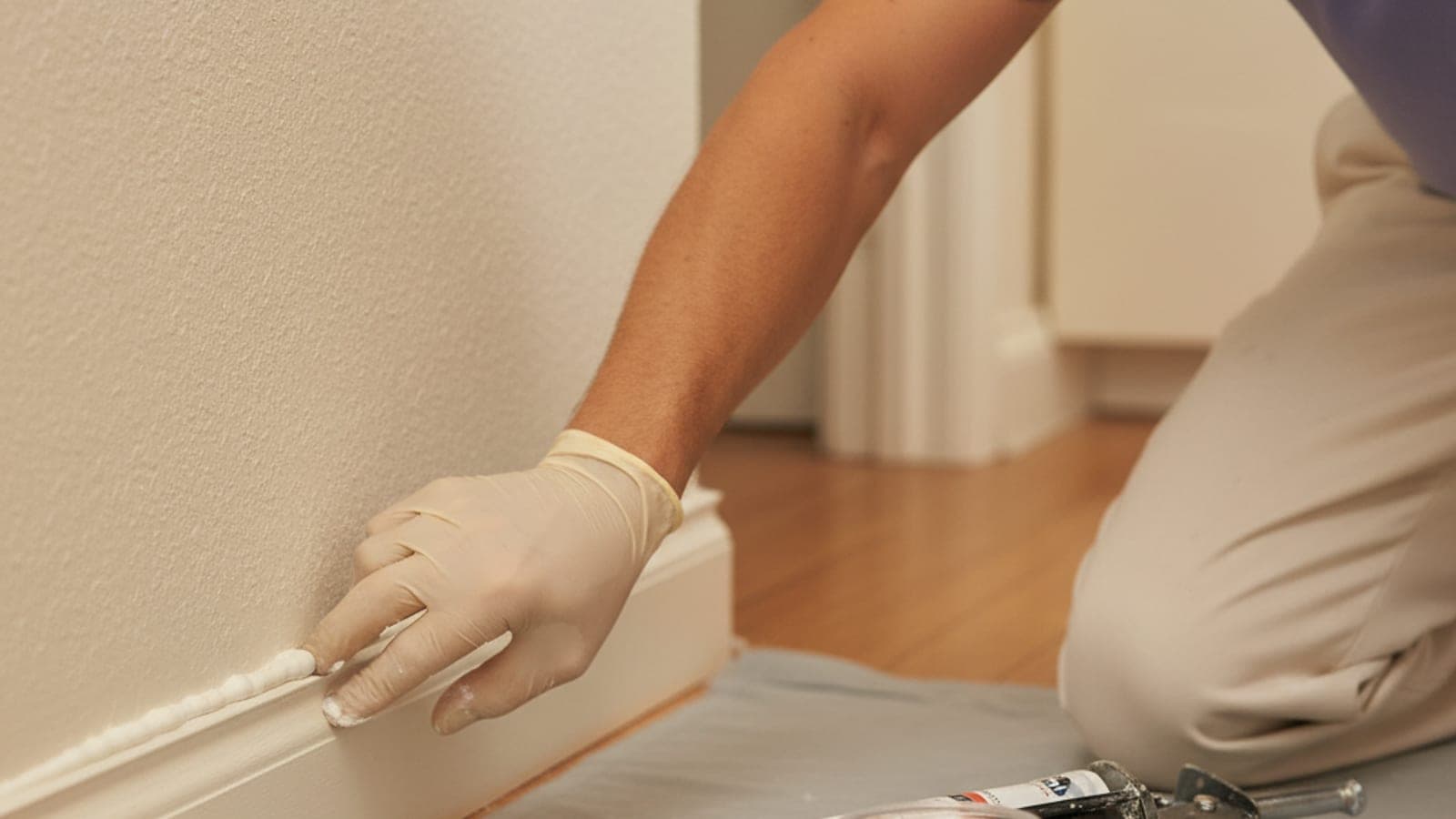
To refresh caulk at a baseboard or trim line, cut the old bead out, clean the joint dry, run one continuous bead of paintable acrylic caulk, and tool it smooth before it skins. Cracked caulk lines make a whole room look neglected, and this is the short version of the fix.
What you'll learn
- Why paintable acrylic caulk (not silicone) for interior trim
- How to cut the caulk tube tip at the right angle
- The wet-finger smoothing technique that makes caulk disappear
- When old caulk needs removal first vs. caulking over
Step by step
- Cut the caulk tube tip at a 45° angle, opening about 1/8".
- Load the tube in the caulk gun, puncture the inner seal.
- Apply a thin continuous bead along the gap between trim and wall.
- Wet your finger and smooth the bead in one continuous pass.
- Check the tube for its paint-ready time, then paint over the cured bead.
Why a fresh caulk bead can fail again
A clean split along the edge often points to normal aging. The bead may feel firm, look dry, and pull away from one surface. Scattered cracks through the middle can suggest lost flexibility. A gap that repeatedly opens in the same place tells a different story. The trim, wall, or framing may be moving enough to stretch the joint.
Movement can come from loose trim, shifting materials, or recurring moisture. New caulk may hide the opening without correcting its cause. Watch the area before covering it. Stains, softness, swelling, or a gap that changes deserve closer inspection.
The caulk type matters because products aren't interchangeable. Interior paintable caulk accepts a finish coat and blends into the trim line. A product that dries too rigidly may split where materials move. Bathroom silicone stays flexible and resists water, but ordinary wall paint may not bond to it. Painting over silicone can leave a slick patch, crawling paint, or peeling edges.
Some openings are meant to remain open. Exterior assemblies can include drainage paths, weep openings, and planned expansion joints. Filling them may trap water or restrict movement. Don't seal a gap when its purpose isn't clear. Check the window, siding, flooring, or trim manufacturer's instructions first. For an unfamiliar exterior joint, ask a qualified painter or relevant trade professional to identify it.
When a caulk line needs a painter to look at it
A small, stable interior trim gap is usually a manageable touch-up. The answer changes when the bead keeps separating, the trim moves under light pressure, or the surrounding surface feels damaged. Those signs point beyond a cosmetic line.
Bring in a painter when failure runs across multiple rooms or returns after repainting. The same applies when caulk bridges wide or uneven gaps. A thick bead can't replace secure trim, sound drywall, or a properly built joint. Repeated cracking near doors and windows can also signal movement that deserves inspection before more finish work begins.
Stop the DIY repair around active staining, swollen trim, soft drywall, mildew, or an unexplained exterior opening. A painter can assess the coating and finish conditions. Water entry, damaged materials, or moving assemblies may require another trade first.
Older painted surfaces also change the decision. Disturbing paint in pre-1978 housing can bring EPA renovation requirements into play. Ask the painter to discuss the visible condition and the planned scope. Confirm any required certification and work practices with the independent painter before hiring.
Detailed rooms can turn a simple repair into exacting finish work. Built-ins, stained wood, glossy trim, delicate wallpaper, and color-matched surfaces leave little room for a rough edge. In those cases, professional preparation may save the homeowner's weekend and protect the surrounding finish.
If old caulk is separating from the wall, scrape it out with a utility knife before laying fresh, caulking over failed caulk just looks thicker a month later when it fails again.
Rather have a pro handle it?
Licensed painters across San Diego County. Licensed local painters, matched to the area you call about.
Keep learning.
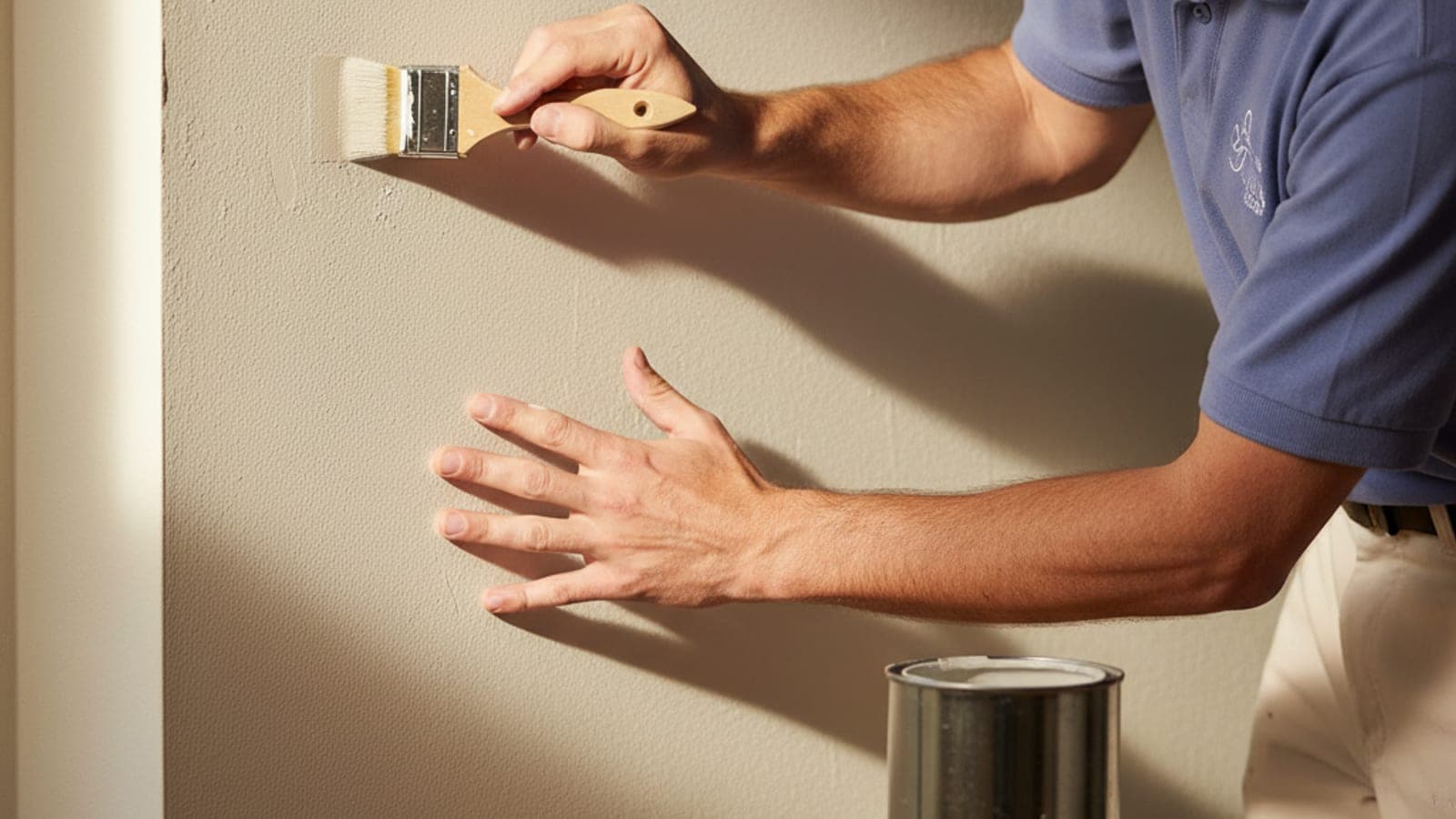
Touch up scuffs on interior walls
To touch up a wall scuff, clean the mark with a damp magic eraser and let it dry. Stir the leftover paint, then use a small art brush or artist’s sponge instead of a roller. Dab rather than stroke, feathering the paint outward to blend the edges.
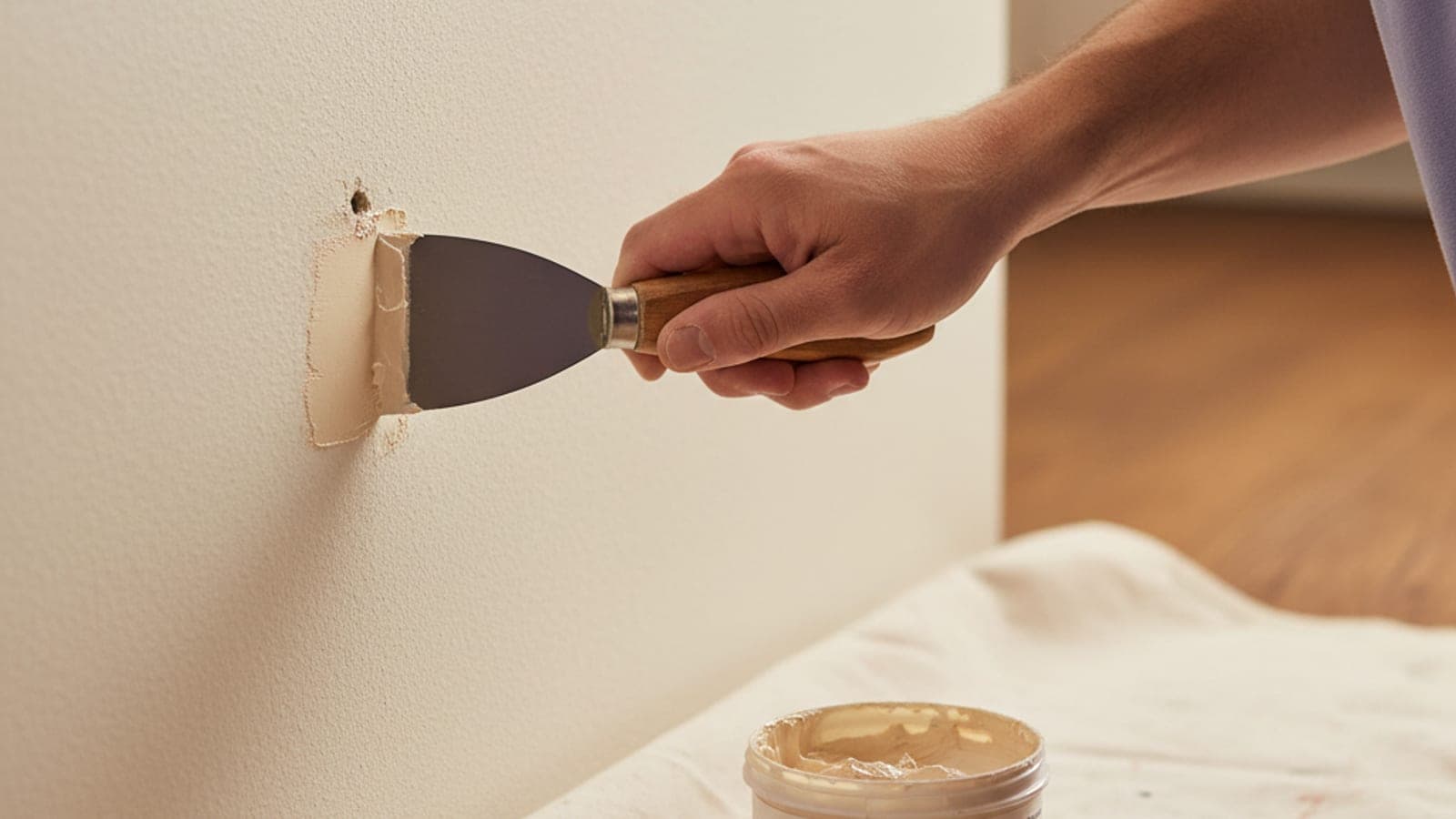
Patch nail holes before paint
To make a nail hole disappear, press lightweight spackle slightly overfull with a small putty knife. Scrape it flush in one clean pass, then let it dry for the time stated on the container. Sand the patch flush and spot-prime it before applying paint.
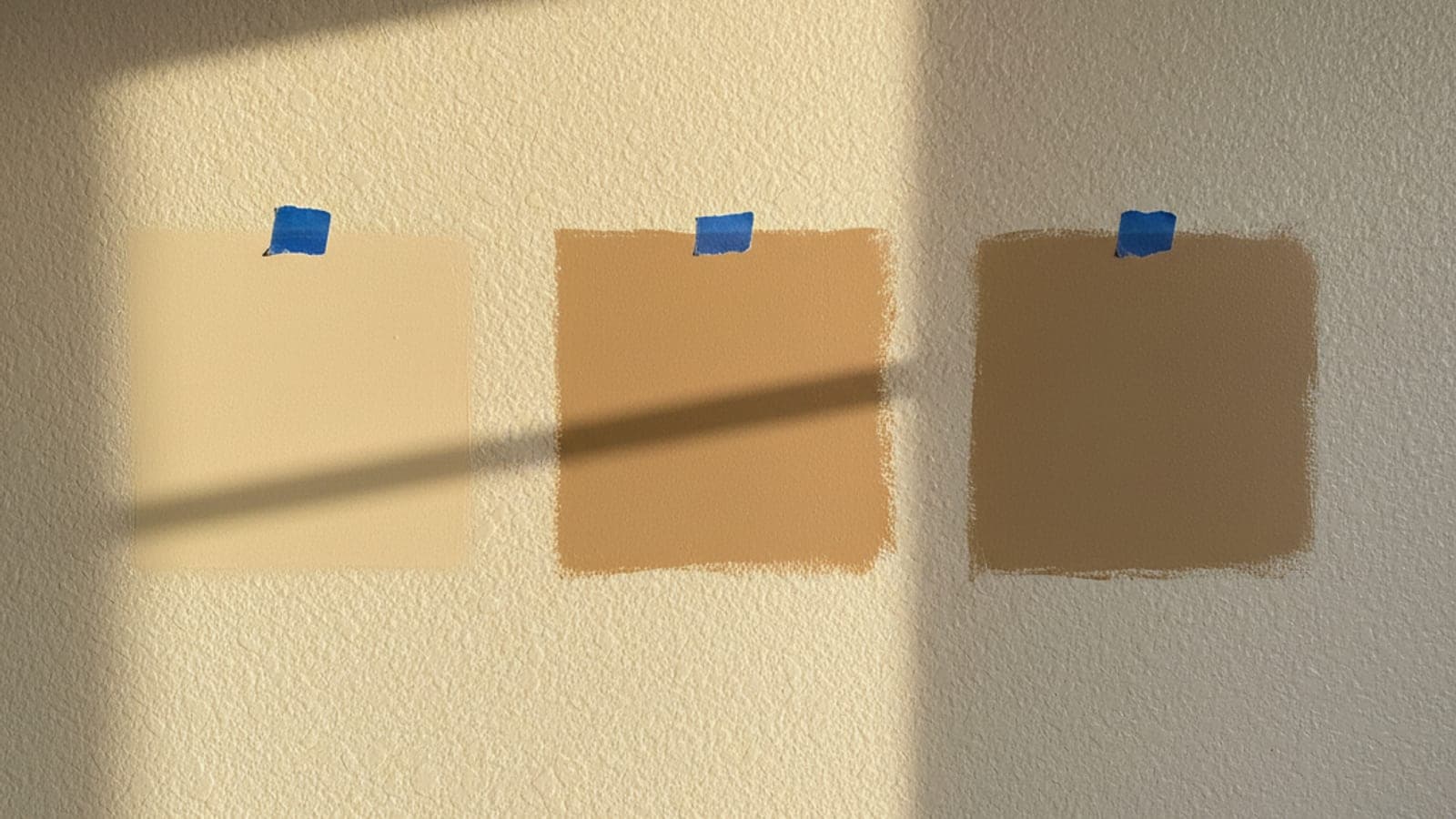
Test paint colors before committing
Test paint colors with large-format samples, 12 by 12 inches or bigger, placed on the actual wall. Use sample quarts for two or three candidates, or apply peel-and-stick samples. Check them at 7am, noon, 5pm, and after dark. Repeat on differently facing walls, then live with the samples for a few days before deciding.