Touch up scuffs on interior walls
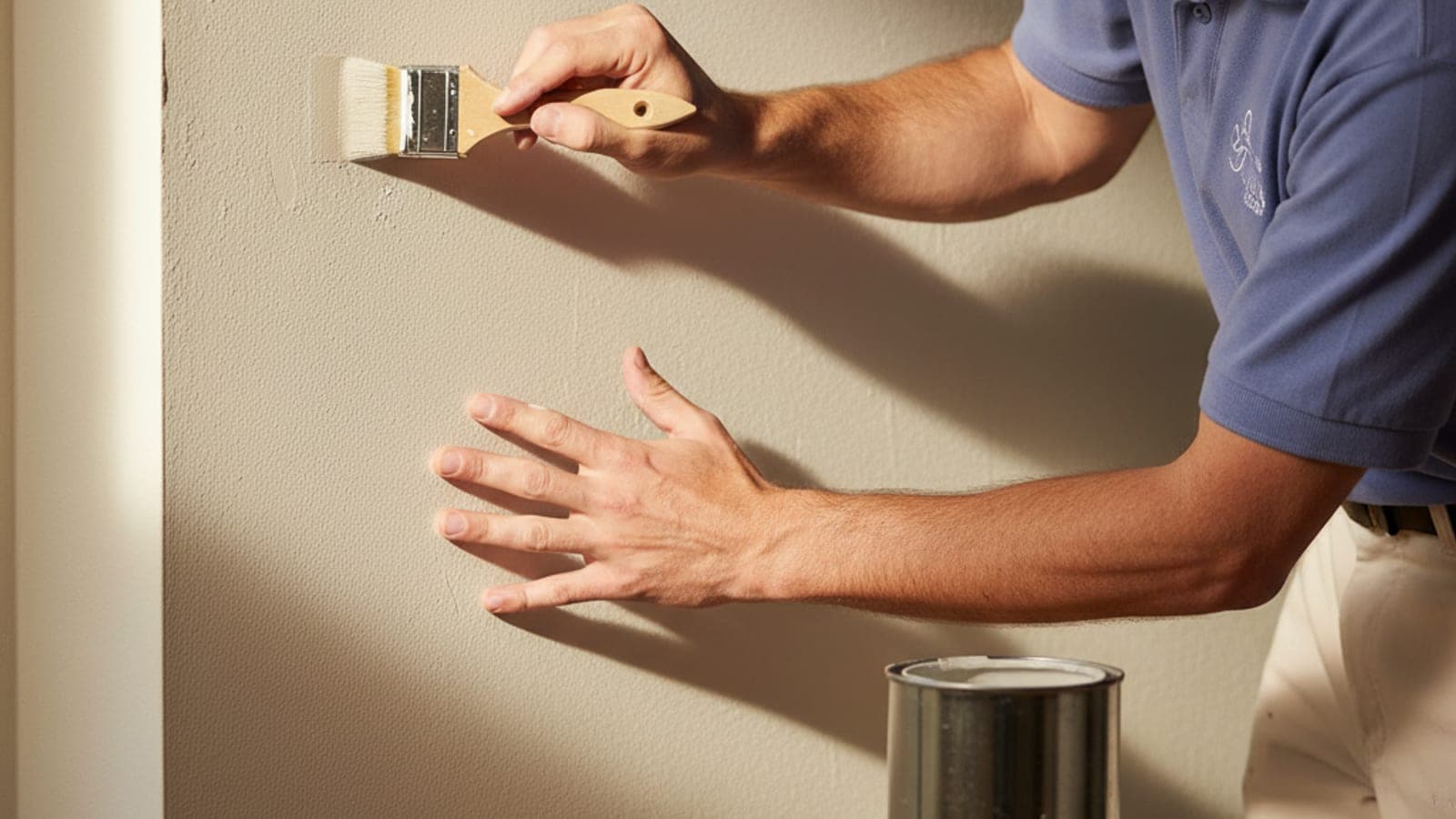
To touch up a wall scuff, clean the mark with a damp magic eraser and let it dry. Stir the leftover paint, then use a small art brush or artist’s sponge instead of a roller. Dab rather than stroke, feathering the paint outward to blend the edges.
What you'll learn
- Why rolling a touch-up almost always stands out (and what to do instead)
- The dab-and-feather technique for blending into existing paint
- When the wall needs a full repaint vs. a touch-up
- How to store leftover paint so it's usable a year later
Step by step
- Clean the scuff or mark with a damp magic eraser, let dry fully.
- Stir the leftover paint thoroughly, paint separates over time.
- Use a small art brush or artist's sponge, not a roller or standard brush.
- Dab (don't stroke) the paint onto the spot, feathering outward.
- Let dry for the leftover paint's stated dry time, check the blend, add a second dab if needed.
Why a wall touch-up still shows
Fresh paint reflects light differently while it's wet. The color may seem matched at first, then shift as the paint dries. A patch becomes noticeable when its sheen, texture, or color differs from the surrounding finish. Light from windows and ceiling fixtures can make those differences more obvious, especially when viewed from the side.
Sheen is a common problem. Flat finishes tend to hide small variations better. Eggshell, satin, and glossier finishes reflect more light, so a touched area can look shinier or duller. Even paint from the original can may not blend perfectly. The existing wall has collected wear, cleaning marks, sunlight, and airborne residue since it was painted.
Surface texture matters too. A smooth dab over a stippled wall creates a different pattern. Heavy pressure can flatten the surrounding finish and leave a polished-looking spot. Repairs also stay visible when the wall has several scuffs, broad fading, patched drywall, stains, or previous touch-ups with mismatched paint.
Kitchens and bathrooms add another complication. Cooking residue can keep fresh paint from matching or bonding evenly. Steam and repeated cleaning can change the surrounding sheen. Bedroom and hallway walls may have less residue, but handprints and repeated wiping can still leave polished areas. When the surface condition varies across the wall, a small repair rarely disappears from every angle.
When to stop touching up and call a painter
A painter should assess the wall when the exact paint can't be identified. Matching color alone isn't enough. The finish, texture, product type, and surrounding wear also affect the result. A professional can judge whether another touch-up is sensible or the wall needs a broader repaint.
Professional help also makes sense when marks cover a wide area or cross several repaired spots. The same applies when drywall paper is torn, patches sit proud, stains return, or paint peels around the damage. Those conditions point to preparation work beyond a simple cosmetic fix.
Kitchen grease, bathroom moisture, and recurring discoloration deserve closer inspection before more paint goes on. The cause may need attention first. Product labels and surface instructions should guide cleaning, priming, and recoating decisions.
Some walls aren't worth sacrificing a weekend to repeated matching attempts. Strong side lighting, higher-sheen finishes, textured surfaces, and connected open rooms can make every variation visible. Paint Pros San Diego can match you with an independent painter who can inspect the surface, explain the options, and quote the work directly.
If the touch-up stands out even after drying, the surrounding paint has aged or faded. A full wall repaint (corner to corner) is the only way to hide an old scuff perfectly.
Rather have a pro handle it?
Licensed painters across San Diego County. Licensed local painters, matched to the area you call about.
Keep learning.
Patch nail holes before paint
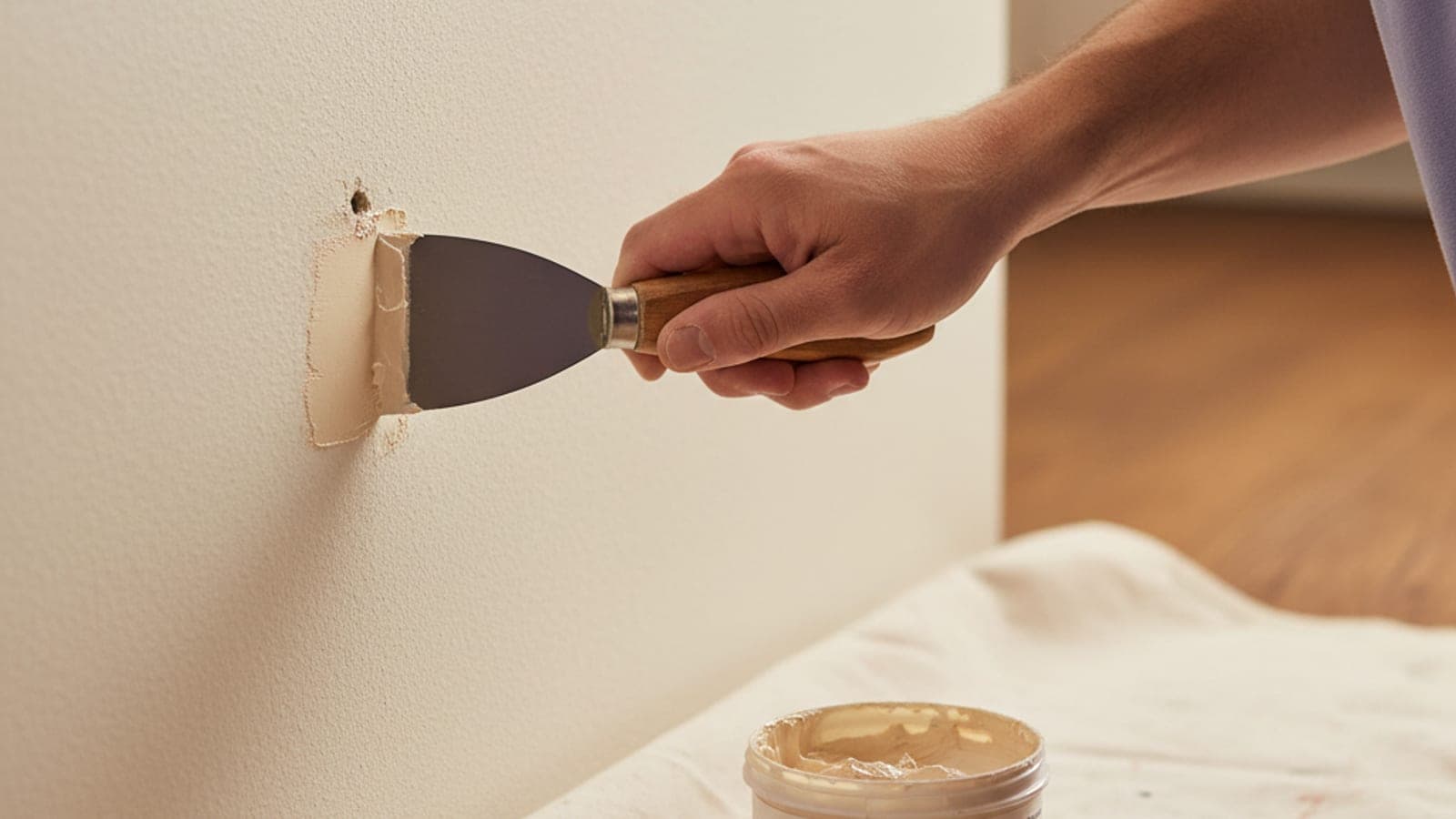
To make a nail hole disappear, press lightweight spackle slightly overfull with a small putty knife. Scrape it flush in one clean pass, then let it dry for the time stated on the container. Sand the patch flush and spot-prime it before applying paint.
Test paint colors before committing
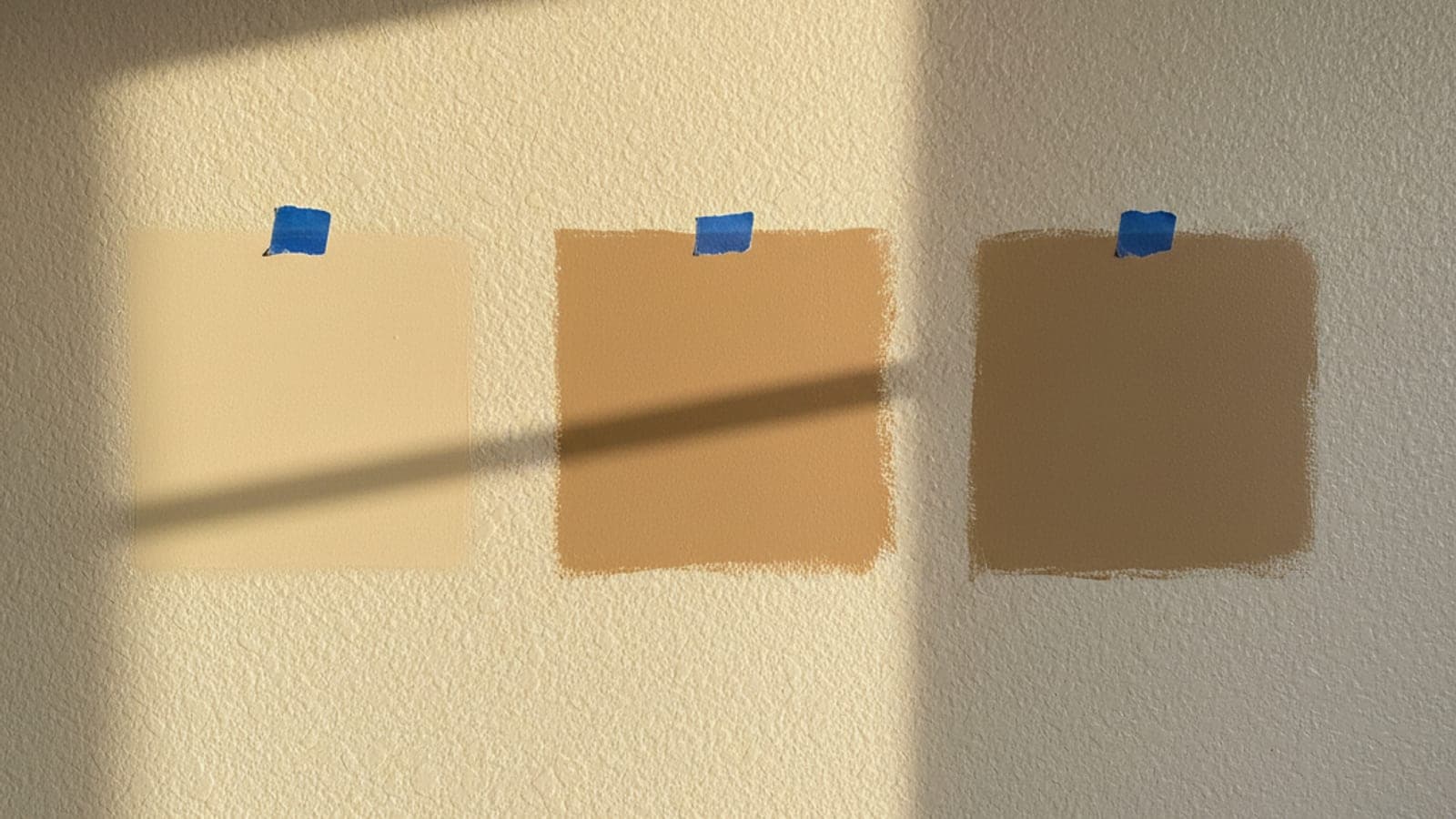
Test paint colors with large-format samples, 12 by 12 inches or bigger, placed on the actual wall. Use sample quarts for two or three candidates, or apply peel-and-stick samples. Check them at 7am, noon, 5pm, and after dark. Repeat on differently facing walls, then live with the samples for a few days before deciding.
Refresh caulk at baseboards and trim
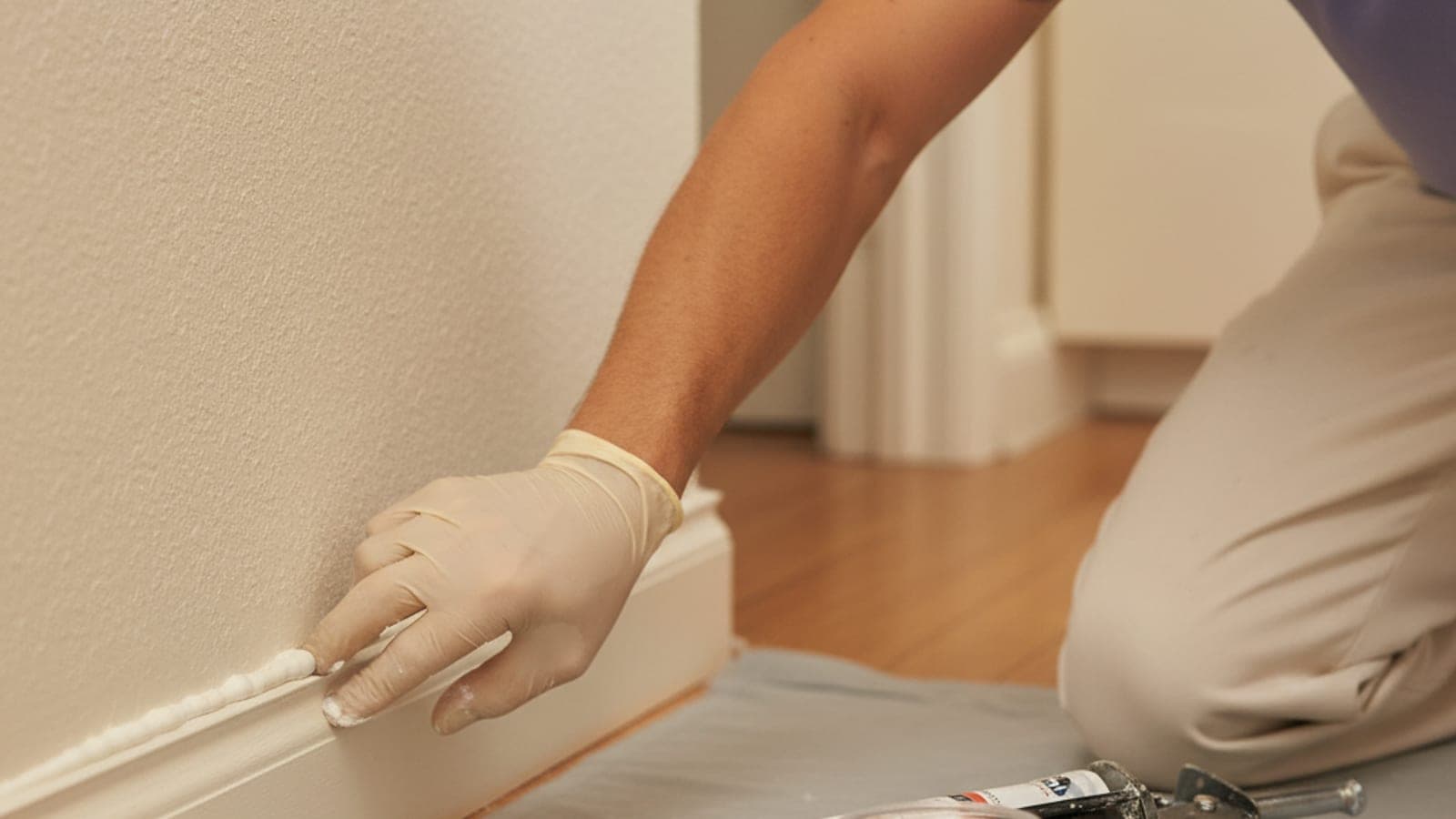
To refresh caulk at a baseboard or trim line, cut the old bead out, clean the joint dry, run one continuous bead of paintable acrylic caulk, and tool it smooth before it skins. Cracked caulk lines make a whole room look neglected, and this is the short version of the fix.