A 1960s ranch in La Mesa can look ready for new color. So can a 1950s bungalow in National City. If the house went up before 1978, the film under that faded coat may still be lead-based, and lead paint testing before painting is how you decide what a painter may disturb.
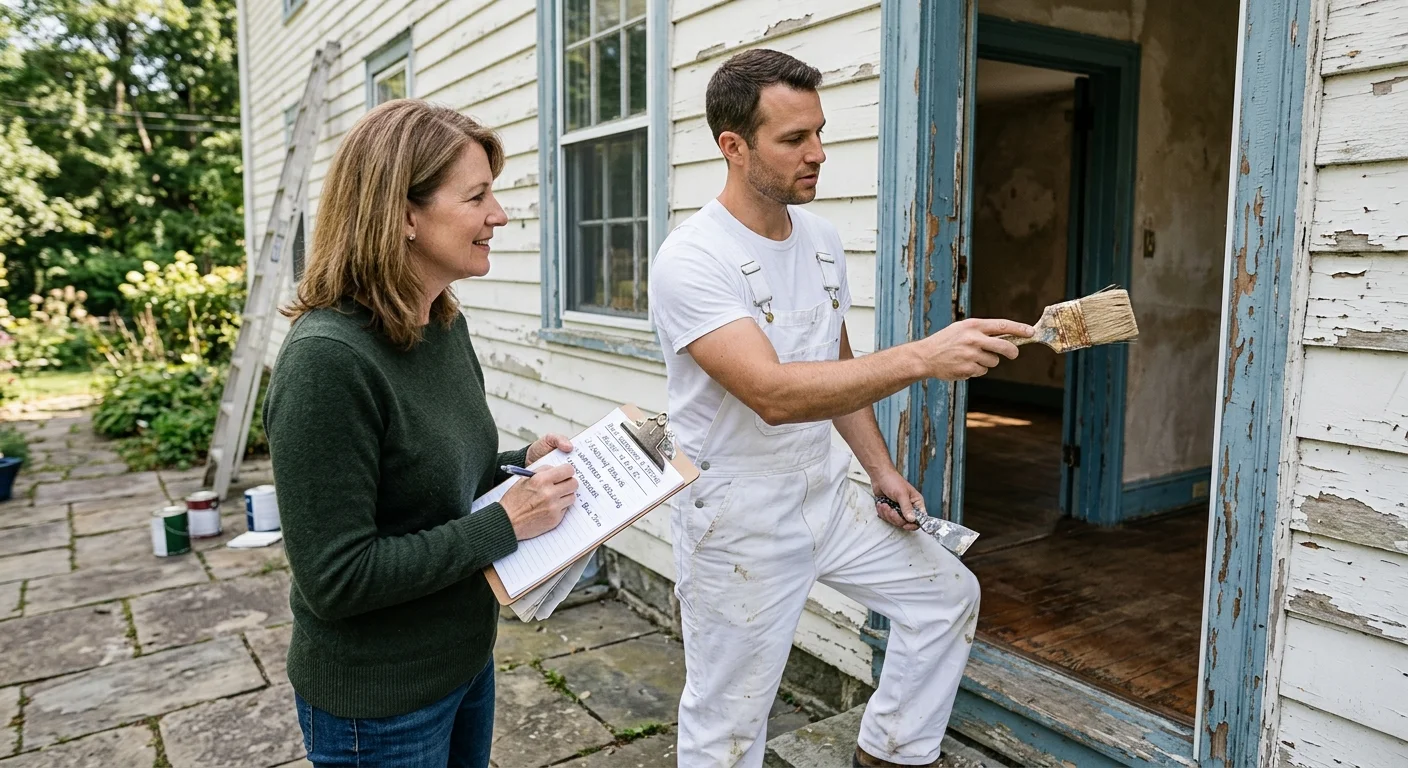
Know when older coatings may need testing
San Diego County is not one housing stock. U.S. Census ACS 2023 5-year table B25034 puts about 49.6% of the city of San Diego’s 559,653 housing units in the pre-1978 band. That year is the federal cutoff for lead-based paint in housing.
East County skews older. El Cajon sits at 62.5% pre-1978. La Mesa is 68.7%. Granite Hills is 76.5%. Lemon Grove is 69%. South Bay is mixed. National City is 66.2%. Imperial Beach is 62%. Coronado is 61.6%. Del Mar is 69.4%. Chula Vista is newer citywide: about 41% of its roughly 90,500 units, with that older share concentrated west of I-805. North County coastal stock is younger. Oceanside is 34.4%. Carlsbad is 27.5%.
A build year before 1978 does not prove a given wall has lead. EPA presumes pre-1978 housing contains lead-based paint unless there is documentation that the affected paint is not lead-based. Chip color, sheen, or “it looks like latex” does not settle it.
Federal disclosure is a separate paper trail. Landlords and sellers of housing built before 1978 must disclose known lead-based paint hazards and give the EPA lead hazard information pamphlet before a lease takes effect (42 U.S.C. § 4852d; 40 CFR Part 745, Subpart F). That pamphlet is not a lab result for the trim you want painted.
Testing is not required by the EPA Renovation, Repair and Painting (RRP) Rule. If nobody documents that the paint is not lead-based, the rule’s requirements stay in force for covered paid work. Confirm the current text on EPA’s page. This site did not confirm a San Diego County prevalence percentage for lead paint, and EPA does not publish one for the county that we could cite.
Paint Pros San Diego does not test coatings. A matched local painter or a qualified testing professional handles that step.
Separate testing from the painting scope
The common mistake is one line item that says “test, scrape, and paint.” Testing answers a materials question. Painting is coating work. When those sit in one vague bid, you cannot tell who owns a late result, or who pays if prep has to change.
Ask for two scopes. First, who will document the coatings, and who will hold the written result. Second, what interior house painting or exterior house painting includes once that result is in hand. If a painter will not separate those, keep comparing. Read the written scope before you sign.
Do not treat a popcorn-ceiling asbestos lab slip as a lead-paint result. Those are different materials and different labs. If the ceiling texture is the question, treat that as a separate asbestos sampling path. Lead testing is about painted films on wood, plaster, stucco, metal, and similar surfaces.
EPA does not require paint testing before a covered renovation. Optional testing, when you want it, must use the appropriate qualified professional. This page does not name kit brands, lab fees, or wait times. Those figures were not verified here. Ask the testing professional what method they will use, and match it to current EPA guidance.
If documentation shows the affected paint is not lead-based, the painting scope can proceed without the RRP presumption for those surfaces. If testing is skipped, or if lead is found, paid work that disturbs paint in pre-1978 housing and child-occupied facilities generally stays under RRP. Exceptions apply. EPA describes a minor-repair exception of six square feet or less per interior room, or 20 square feet or less on the exterior. Window replacement and demolition stay covered at any size. Confirm those thresholds on EPA’s current page rather than copying a neighbor’s job.
Paint Pros San Diego is a referral service. It matches you with licensed independent painting pros. It does not pull samples, hold kits, or write clearance reports.
Ask who disturbs paint and who documents it
Disturbance is the trigger. Scraping, sanding, cutting, and window work can release dust from older films. A California C-33 painting and decorating license covers surface preparation by scraping, sandblasting, or other means, plus the application of coatings. That is the painter’s trade class. It is not a testing credential.
Under 40 CFR Part 745, Subpart E, firms performing renovation, repair, or painting that disturbs lead-based paint in pre-1978 housing must be EPA-certified and follow lead-safe work practices. EPA’s contractor guidance says the rule applies in general to paid work disturbing paint in pre-1978 housing and child-occupied facilities, and that exceptions apply. Covered firms need certification. Not every activity in an old house is covered. Confirm your project against EPA’s current text.
The rule, as EPA describes it, does not apply to homeowners doing their own work. That is not a safety endorsement. Dust from sanding old National City or Lemon Grove trim still settles on floors and sills.
Two paperwork tracks get mixed up on bids. Disclosure of known lead hazards on pre-1978 housing is the seller’s or landlord’s duty under 42 U.S.C. § 4852d. What the renovation firm must deliver is the EPA “Renovate Right” pamphlet, to owners and occupants, before work begins. Those are different obligations. Do not accept a painter who says they will “handle the federal disclosure” as if they were the seller.
Get these answers in writing:
- Who is paid to disturb painted surfaces
- Whether that firm is EPA-certified for RRP when the rule applies
- Who will deliver Renovate Right
- Who, if anyone, will test, and what written result you will receive
- Whether window replacement is in the job
Verify a painting contractor’s California license on the CSLB license check before you sign. For work at or above $1,000 in aggregate (labor, materials, and other items, as of 2026 under Business and Professions Code §7048), California requires a licensed contractor. Paint Pros San Diego holds no C-33 and no EPA RRP certification. Only the matched local painter is the licensed party on the job.
Plan prep once test results are in hand
Do not let a crew start dry sanding while a sample is still out. Prep follows the result. If you skipped testing on a pre-1978 house, prep follows the RRP presumption.
If you have documentation that the affected paint is not lead-based, the painter can plan ordinary prep for those surfaces: wash, scrape failed film, sand as the coating needs, prime, then topcoat.
If the house is pre-1978 and you do not have that documentation, EPA assumes lead-based paint. RRP work practices then apply to covered paid renovations. The rule requires a certified firm and a certified renovator. Signs go up before work starts and stay up through cleaning verification. Containment keeps dust and debris in the work area. Furniture, rugs, and window coverings come out or get sealed under sheeting. Sanding, grinding, and similar power tools on painted surfaces need a shroud or containment with a HEPA vacuum attachment, or those tools are not allowed on the painted surface. Heat guns stay under 1,100°F. Waste stays contained and gets secured at the end of every work day.
Those are rule requirements for a certified firm, drawn from 40 CFR 745.85. They are not a promise that any specific painter already followed them. Ask the quoting painter to write the practices into the prep section of the contract.
Interior rooms and exterior walls can both disturb paint. A trim job in North Park and a stucco scrape in Encinitas are different substrates. The lead question is the same if the building predates 1978. Stucco itself is not a lead test. The coatings on it may be.
California Department of Public Health pages describe lead inspectors, assessors, and abatement contractors under Title 17. A targeted read for this site did not find a .gov statement of extra lead-safe painting rules that go beyond EPA RRP. Do not treat a city painting permit as a lead test. Routine residential repainting does not appear on the City of San Diego’s list of projects that need a building permit. Historic or planned-district work can be different. Exterior repainting in the Old Town San Diego Planned District may be subject to review by the City Manager. Confirm with City of San Diego Development Services. Unincorporated county finish work (painting and papering) is described as permit-exempt by the County building division. Individual cities can differ.
This brand does not perform abatement. If a test or a risk assessor points to lead abatement rather than renovation, that is a different contractor class. Keep painting and abatement as separate contracts.
Confirm responsibilities before work starts
Before anyone opens a can, put names on four jobs: testing, disturbance, documentation, and coating. If one person is doing all four, write that down. If they are split, write the splits.
The customer contracts and pays the professional directly. Paint Pros San Diego matches you with licensed independent local painting professionals. It sets no prices, gives no warranties, and does not run crews.
Read the contract for:
- Surfaces included and surfaces excluded
- Whether prep that disturbs paint waits until results arrive
- Who supplies written test documentation, if any
- Who posts signs and containment when RRP applies
- Who delivers Renovate Right
- How change orders work if testing finds lead on extra rooms
A landlord in a pre-1978 rental still has the federal disclosure duty on known hazards. A security-deposit fight over paint is a different statute (Civil Code § 1950.5). It does not replace RRP. Ordinary wear and tear is not a lead test.
If you are comparing bids, compare the lead handling language, not just the color and the gallon count. A cheap scrape on 1950s National City trim can be the costliest line if dust control was never in the scope.
When the paperwork is clear, the painter can finish the coating work you actually wanted: even film, clean edges, and rooms you can use. Testing was the gate. Painting is the job after the gate.
When to call us
Call when you have an older San Diego County house and you need a licensed local painter who will split testing from the coating scope. Paint Pros San Diego connects homeowners with independent painting pros. It does not test, disturb, or remediate lead paint. Call us at (858) 400-6422 and we’ll connect you with a licensed local painter.