If you’re asking what a painter costs per hour, here’s the honest answer: most reputable San Diego painters don’t actually price the job that way. The more common model in San Diego is a flat, per-project quote, because it puts the slow-painter risk on the painter instead of on you. An hourly number sounds simple, but it hides the one thing that actually determines your final bill: how many hours the job takes, and what’s included in the rate. Here’s how to read an hourly quote, what actually moves the number, and what to ask for instead. Call (858) 400-6422 for a walkthrough quoted in writing.
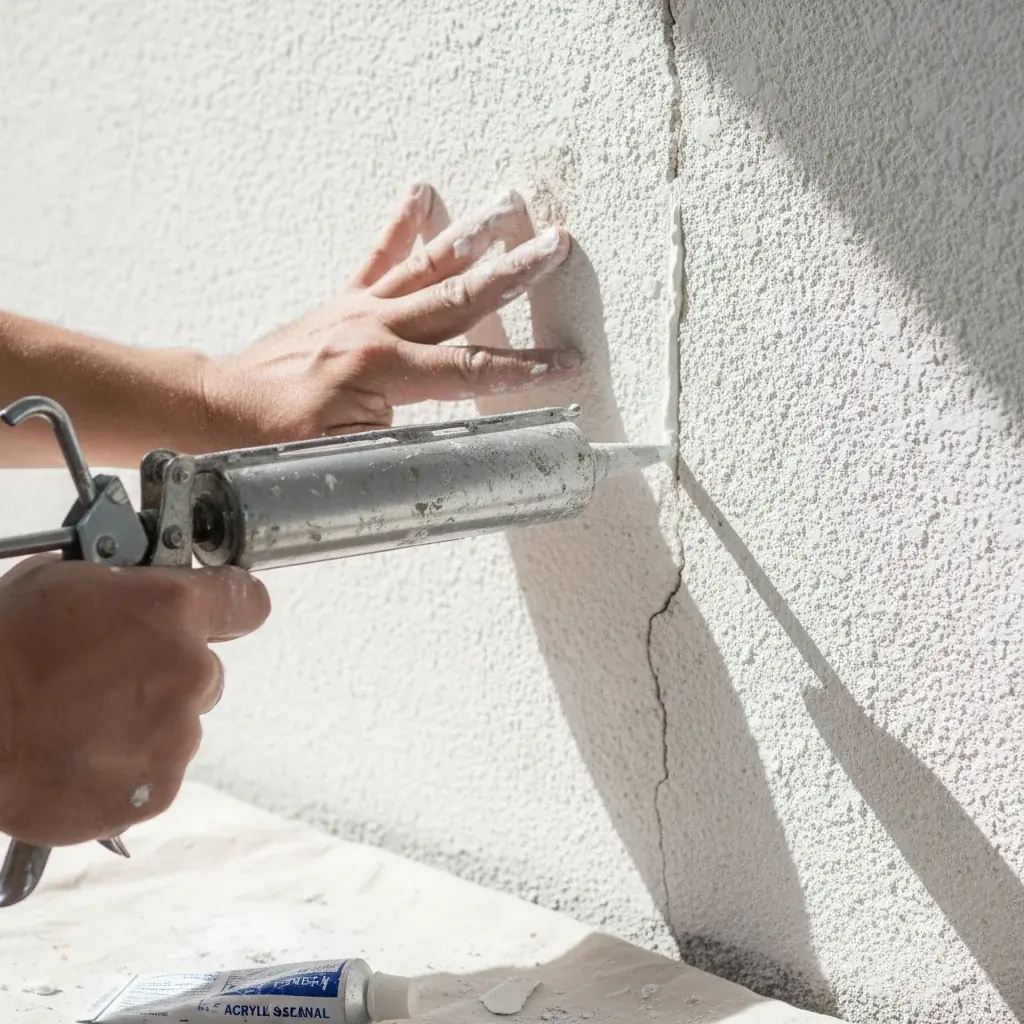
San Diego painter hourly rate tiers in 2026
Hourly rates in San Diego break out by skill level, not by job type. Here’s the general shape, by role.
| Painter role | Where the rate lands | What you get |
|---|---|---|
| Helper / apprentice | Lowest tier | Prep, masking, cleanup, basic rolling under supervision |
| Journeyman painter | Mid tier | Cuts in, rolls, sprays, runs a small job solo |
| Lead painter / master | Upper tier | Estimating, color matching, complex finishes, crew lead |
| Cabinet refinisher (specialty) | Above standard journeyman | Sprayed conversion-varnish, lacquer, factory-grade finish |
| Decorative finish specialist | Highest tier | Limewash, Venetian plaster, faux finish, mural work |
These are labor-only tiers. They do not include paint, masking supplies, or travel.
For reference, the Bureau of Labor Statistics Occupational Employment Statistics for painters tracks median wages for painters in the San Diego-Chula Vista-Carlsbad MSA. What the painter takes home and what a homeowner pays per hour are two different numbers. The shop’s hourly bill rate has to cover wages, payroll taxes, workers’ comp insurance, general liability, the truck, the sprayers, marketing, and overhead, on top of the painter’s own pay. A shop’s stated rate that looks close to a plain wage figure is roughly break-even, not a fat margin.
Hourly vs project pricing: when each makes sense
San Diego painters use both models, but for different reasons. The decision usually breaks down by job size and scope clarity.
| Job type | Better model | Why |
|---|---|---|
| Touch-up after movers / drywall repair | Hourly | Scope is small, hard to estimate, easier to bill a few hours than to set a minimum |
| Color-test panels on the wall | Hourly | Tiny job, sometimes folded into a larger bid |
| One-wall accent color | Hourly or minimum | Most shops apply a minimum either way |
| Single room repaint | Project | Scope is clear, painter knows the hours from experience |
| Whole-home interior | Project | Too big to risk hourly; you want a cap |
| Whole-home exterior | Project | Same, risk shifts to the painter on a flat bid |
| Cabinet refinishing | Project | Highly skilled, off-site spray time billed flat |
| Dust-containment-only work | Hourly | Plastic walls, zip doors, negative-air machines, short, scoped |
| HOA-required spot repaint | Project | HOA wants a written scope, not a time clock |
Rule of thumb: if the painter can walk the job and give you a confident number on the spot, take the project bid. If the painter can’t see the full scope until they’re into the work (drywall hidden behind wallpaper, dry rot behind trim, an unknown number of stucco cracks), hourly with a written cap is fairer to both sides.
What’s included in a San Diego painter’s hourly rate
This is where hourly quotes get sketchy. Different shops define “hourly” differently. Before agreeing to an hourly rate, get the painter to confirm in writing which of these the rate covers.
- Labor only. The painter’s time on site. Most common. You buy the paint and supplies separately.
- Labor plus consumables. Tape, plastic, drop cloths, brushes, rollers, tray liners, caulk, added on top of the labor rate.
- Labor plus paint. Rare on hourly. More common on project bids. If included, the rate climbs to cover the markup the shop would otherwise lose by not buying separately.
- Travel time. Some shops bill drive time both ways. Others bill only on-site time. SD County is wide. A North County crew running a Chula Vista job may legitimately bill real drive time each way.
- Dust containment and masking. Heavy plastic, zip doors, negative-air machines for cabinet jobs. Usually billed as a flat setup fee on top of hourly.
- Cleanup. Most shops include cleanup in hourly. A few try to bill it separately. That’s a red flag.
- Disposal. Old paint cans, used masking, contaminated rags. Usually included. California has hazardous-waste rules from CalRecycle about paint disposal, and any shop billing you for disposal at the curb is double-charging.
The biggest single variable is paint and material markup. A shop with a lower stated hourly rate that marks paint up heavily over retail can end up more expensive than a shop with a higher rate that passes paint through at cost.
What actually drives the number, not the sticker rate
A painter is not a painter, and neither is a job. Different work carries a different rate tier, and within each tier, the real driver is scope, not the hourly number printed on the quote.
Interior painter (walls, ceilings, trim). The bread-and-butter rate tier. Most journeymen sit here. What moves the total: room count, ceiling height, trim volume, and how much patching the walls need before paint goes on.
Exterior painter on stucco, single-story. Same skill tier as interior, more setup. Ladder time, masking around landscaping, and weather contingency add real hours on top of the base rate.
Exterior painter on two-story with scaffold or lift. A higher rate tier per painter, plus a separate rental cost for the scaffold or lift. OSHA fall-protection rules drive a real safety overhead here. Any painter working above six feet without proper fall protection is uninsured for that work, and your homeowner’s insurance won’t cover a fall on your property either. The premium is real, and it’s driven by access and height, not by the painter charging more for the same task.
Cabinet refinisher. A specialty rate tier. Most of the hours are off-site spray time. The skill required for a sprayed conversion-varnish or post-cat lacquer finish is higher than wall painting, and shops with proper spray booths, dust control, and HVLP equipment charge for the infrastructure, not just the hands-on-tools time.
Stucco painter (with crack repair, elastomeric prep). The crack repair and elastomeric sealant work is a specialty step that adds real hours. Skipping it on coastal stucco shortens the repaint cycle noticeably compared to doing the prep right.
Decorative / specialty finisher. The highest rate tier. Limewash, Venetian plaster, faux finishes, murals. Small market in SD. Most shops sub this out.
Commercial painter. A separate rate tier from residential, often with prevailing-wage requirements for public-works jobs. California’s prevailing wage rates for painters on public projects lift billing rates accordingly.
Why “per hour” can mislead
The hourly rate alone tells you almost nothing about the final price. Two problems.
The slow-painter problem. A painter with a lower stated hourly rate who takes far longer to finish a room can cost you more in total than a faster painter charging a higher rate. The faster painter is cheaper even at a higher rate. Hourly billing rewards slowness, so reputable shops usually push project pricing for anything bigger than a touch-up.
The rushed-painter problem. The flip side. A painter on a fixed project bid has the opposite incentive: finish fast, cut prep corners, skip the second coat under furniture. This is why a good project bid spells out number of coats, prep steps, paint product, and a walk-through punch list before final payment. Without those four, project pricing can hide its own corner-cutting.
The honest framing is that hourly and project both create incentive mismatches. The fix is the same in both: a written scope so detailed that there’s nothing left to argue about. Number of coats. Specific paint brand and product line. Specific prep steps. Specific surfaces included. Specific exclusions. Walk-through punch list before final payment.
How to compare an hourly bid against a project bid
If one painter quotes hourly and another quotes flat, you need a common basis for comparison. Here’s how to build it.
Step 1, ask for the hours estimate. Ask the hourly painter how many hours they expect the job to take, including their crew size, and get a low-high range in writing.
Step 2, ask what the rate includes. Use the all-in rate that includes consumables and travel, not the bare labor rate, when you compare against the flat bid.
Step 3, ask how paint and materials are handled. Get a straight answer on whether paint is billed separately, at cost, or with markup, and how many gallons the job is expected to use.
Step 4, compare the total to the flat project bid. If the hourly math comes out close to the flat bid, the painters are roughly comparable. If the hourly estimate comes in noticeably lower, ask the hourly painter what’s not included. If it comes in noticeably higher, the flat-bid painter is either cutting corners or has efficiency the hourly shop doesn’t.
For a worked look at what drives project pricing, see our house painting cost guide and the San Diego interior painting cost breakdown.
Red flags in hourly painter quotes
Eight signals that an hourly quote will end badly.
- No cap or not-to-exceed number. A legitimate hourly bid gives you an estimated hours range with a hard ceiling above it. A red-flag bid says “we’ll see when we get into it.”
- No written scope. If the painter can’t tell you in writing which rooms, which surfaces, which prep steps, and how many coats, the hourly clock is a blank check.
- No completion date. “We’ll get to it” with no calendar commitment usually means the crew will be split across other jobs and yours will drag.
- Demands large cash deposits up front. Reputable shops invoice. They take a modest deposit, then progress payments at clear milestones. The California Contractors State License Board caps how much a contractor can collect as a deposit on residential work, check the current limit before you pay anything up front.
- No license number on the quote. California requires a C-33 license for jobs above a small-project threshold set by state law. Verify any license at cslb.ca.gov before signing.
- No insurance proof. A real shop carries general liability and workers’ comp. Ask for a certificate of insurance naming you as additional insured.
- Rate that floats. Different rates quoted for different crew members with no clarity on how many hours each will work. Get a blended rate or per-person rate in writing.
- No BBB or review history. Cross-check the shop on BBB San Diego, Google Reviews, and Yelp. An established shop should have a paper trail.
The CSLB consumer guide on hiring a painter covers these in more detail. Worth reading before signing anything.
When hourly pricing actually saves you money
Hourly isn’t always bad. Five situations where it’s the right call.
Touch-ups after a renovation. Drywallers patched, the carpenter swapped a baseboard, the electrician moved an outlet. You need a few hours of skilled painting to make it match. A flat project bid here usually carries a minimum that’s more than the actual hourly cost would be.
Color-test panels on the wall. Before you commit to a whole-home color, painting test panels in a few colors on a few walls is quick work. Pay hourly. Most shops will credit the time against a bigger job if you book them.
Small fixes (a few hours of work). A scuffed hallway, a kid’s mural removal, painting one closet. Project minimums make these unfair to flat-bid.
Dust containment and prep only. When another trade is doing the painting (a cabinet shop, a flooring contractor’s paint touch-up, a homeowner DIY) and you just need a pro to mask and contain the work zone.
Stucco crack repair or wood rot repair before paint. The scope of the repair is unknown until walls are opened. Hourly with a written cap protects both sides until the painter can see what’s behind the surface.
For full-scope work, whole-room repaints, whole-home interiors, exteriors, cabinets, go project bid every time. The HomeAdvisor cost-to-hire-a-painter guide reaches the same conclusion across markets.
What a fair hourly bid looks like in writing
A clean hourly quote includes seven things. If your quote is missing more than two, ask the painter to revise.
- Rate per person. Broken out if the crew is mixed (lead, journeyman, helper).
- Estimated hours range. Low and high, in writing.
- Not-to-exceed cap. A hard ceiling the painter will not bill past without written authorization.
- What’s included in the rate. Labor only, or labor plus consumables, or labor plus paint. Spell it out.
- What’s billed separately. Paint at cost or with markup. Specialty materials. Disposal fees, if any.
- Schedule. Start date, expected completion, dust-protection plan.
- License number, insurance proof, deposit terms.
If all seven are in the quote, you can compare it fairly against a flat project bid. Without them, you’re guessing.
Frequently asked questions
Who’s the cheapest painter per hour in San Diego?
Apprentice and helper rates sit at the bottom of the scale, but watch the math: a helper without a journeyman supervising will be slow and may need rework. The cheapest total outcome is usually an efficient journeyman working steadily, not the lowest hourly number on the page.
Do most San Diego painters charge per project or per hour?
Per project for anything beyond a short job. Per hour for touch-ups, color tests, and undefined-scope repair work. Most residential quotes in SD County come in as flat project bids.
Do helper and master painter rates really differ that much?
Yes, by a wide margin. A helper and a master finisher aren’t doing the same work. The skill, speed, and finish quality justify the spread, and on cabinets or specialty finishes the master pays for itself in faster completion and better results.
Do I tip the painter?
Not required, not expected on professional jobs. If you want to acknowledge a good crew, a small gesture at the end is appreciated but not standard practice. Most painters value a Google review just as much.
Do you charge per hour at Paint Pros San Diego?
Painters in our network charge hourly only for touch-ups, scoped repair work, and dust-containment-only jobs. Everything else is project-bid with a written scope. That shifts the slow-painter risk off the homeowner.
Are estimates really free?
Yes. An in-home walkthrough is standard practice in San Diego County and shouldn’t cost anything. A shop that charges for a residential walkthrough is an outlier. The painter walks the home, gives you a written scope, and you owe nothing if you don’t book the work.
Get a quote tied to your actual job
Hourly bids and project bids are two different ways to look at the same job. Painters in our network are happy to quote either way depending on the scope. For most homeowners, a flat project bid is fairer and easier to plan around. For touch-ups and small fixes, hourly is fine.
Call (858) 400-6422 and a Paint Pros San Diego painter will walk the home, give you a written scope, and quote it the way that fits the job. No pressure, no deposit required to schedule the walkthrough.
For service pages, see interior painting and our guides on how to hire a painter in San Diego, the best painters in San Diego for 2026, and same-week painters in San Diego. For cost comparisons, see our exterior painting cost guide and interior painting cost guide.